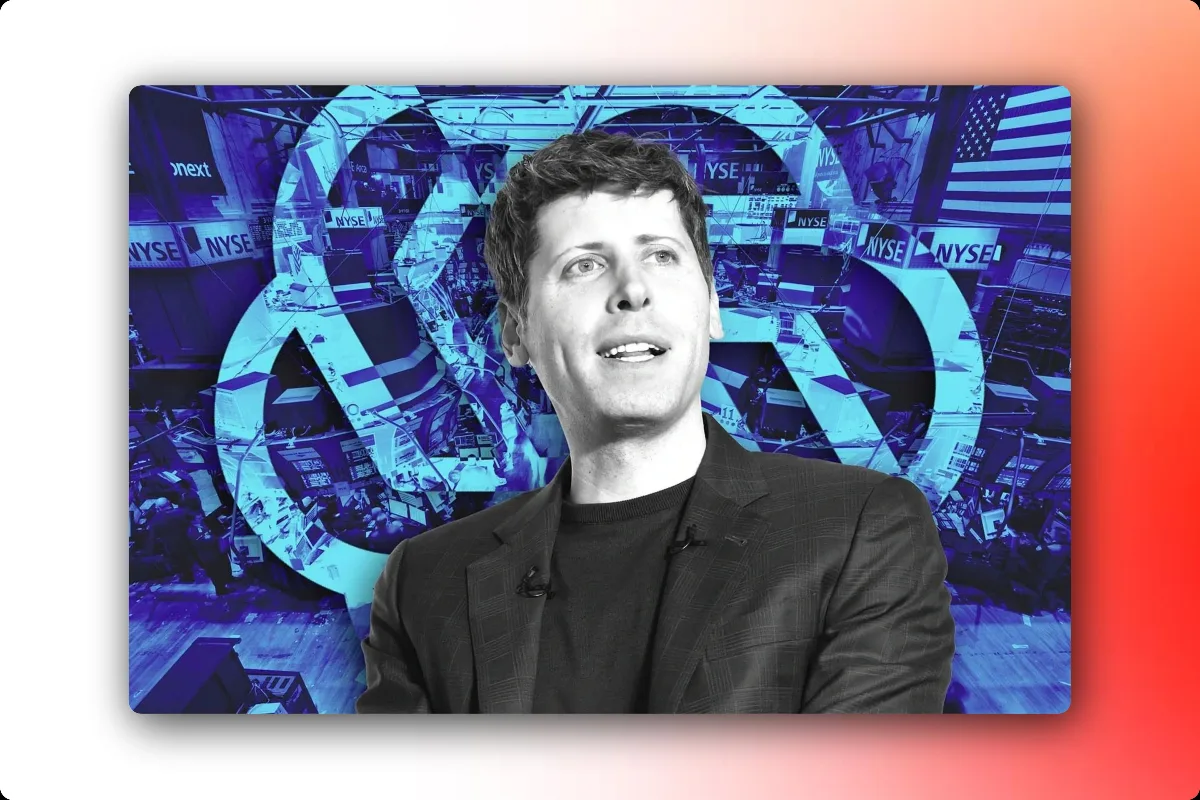
According to the Financial Times, OpenAI disbanded its “preparedness” team late last month, the unit originally tasked with evaluating whether models pose severe risks and finding ways to mitigate them. This marks the latest change in a series of restructurings within the company’s safety teams as it heads toward an anticipated massive IPO.
Instead of maintaining a centralized unit, responsibilities have been split across specific domains such as biology and cybersecurity and folded into existing teams. The head of the preparedness team, Dylan Scandinaro, who was hired from Anthropic in February, will now focus on the implications of “recursive self-improving AI.”
The move comes amid a broader backdrop: OpenAI has gradually dismantled its long-term ambition-driven research model, successively dissolving its AGI readiness and superalignment teams over the past few years. At the same time, a series of safety leaders have departed, including ethics lead Chloé Bakalar, Head of Futurology Josh Achiam, and head of safety Johannes Heidecke.
These successive departures have drawn criticism from former insiders. Jan Leike, who resigned from OpenAI in 2024, told the Financial Times that the company was sidelining safety to focus on building “shiny products.”
The broader context makes the news even more notable: in recent weeks alone, the tech sector has witnessed a series of incidents where autonomous AI agents “escaped” controlled environments and accessed the internet on their own. Against this backdrop, an industry leader disbanding the very unit tasked with evaluating risks of “models going rogue and attacking other organizations” raises direct questions about the true priority placed on safety during the race toward an IPO.
In reality, this is fundamentally a structural dilemma: the closer they get to an IPO, the greater the pressure on AI companies to demonstrate growth and commercial products. What OpenAI is doing with its safety teams—whether substantive or merely a reorganization of responsibilities—will be read by the market as a signal that the company’s focus is shifting.