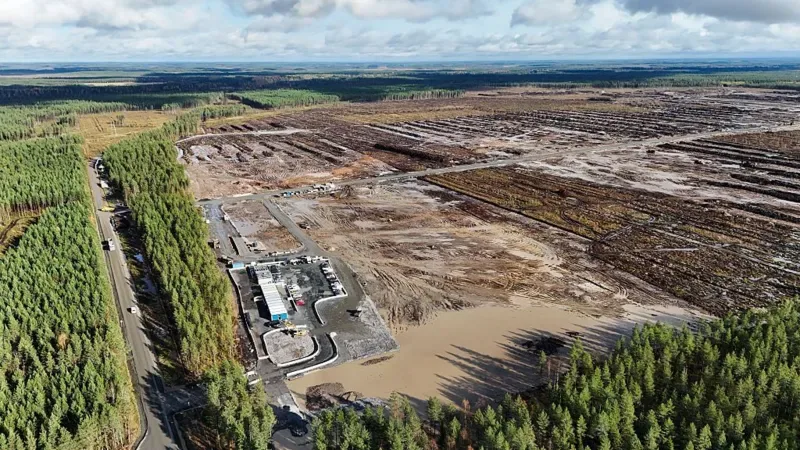
Tech giant Google is facing fierce backlash from authorities and conservation organizations in Finland after its local subsidiary bulldozed vast forest areas to clear ground for artificial intelligence data centers. According to an October 22, 2026 report by TechSpot, the Finnish Supervisory and Licensing Authority (LVV) formally demanded an explanation upon discovering that approximately 300 hectares of forest had been cleared before a comprehensive environmental impact assessment was approved.
Investigation by the local licensing authority
This infrastructure expansion project is part of Google’s €13 billion investment commitment to cloud computing and AI in Finland, carried out through its local legal entity Tuike Finland Oy (TFO). The primary construction sites are concentrated in the Muhos and Kajaani regions.
Under local regulations, large-scale industrial projects must complete a full ecological impact appraisal process to protect vegetation and wildlife. However, public reports cited by the LVV show that roughly 300 hectares of forested land, equivalent to approximately 420 standard football pitches, were cleared by bulldozers before regulators could issue an official assessment conclusion.
Google argues that the initial clearing activities were in full compliance with current Finnish law. The company asserts that it conducted thorough topographical surveys before deploying machinery to the site to ensure no damage was done to high-value ecological zones.
Satellite evidence and demands for site suspension
Google’s position quickly met with fierce opposition from environmental activists. Hanna Halmeenpää, President of the Finnish Association for Nature Conservation, stated that satellite imagery captured at the scene shows bulldozers leveled areas that had been strictly designated for protection.
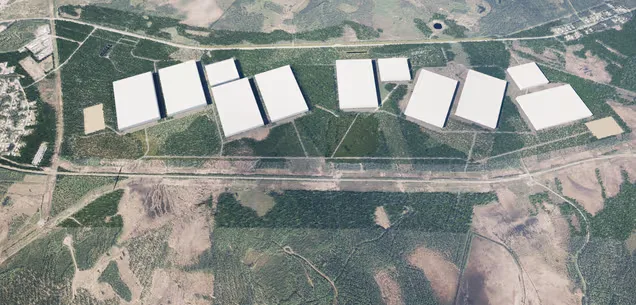
The association submitted an urgent petition to the LVV, demanding the agency immediately order a halt to all construction activities at the relevant sites. The goal is to allow authorities to clarify whether the U.S. tech company deliberately accelerated on-site construction before receiving formal planning approval. Finland has some of the world’s most stringent environmental protection standards, turning the incident into a focal point of European public attention.
Clash between AI computing hunger and ecological limits
The incident in Finland serves as a prime example of how the global rush to expand AI infrastructure is colliding head-on with natural resource limits and the habitats of local communities. Next-generation data centers not only require massive expanses of land, but also consume power and cooling water at levels unprecedented in tech history.
Much like the pressure Microsoft faces as it plans gigawatt data center infrastructure or the wave of debt strain across cloud server clusters, Big Tech’s ambition to expand compute infrastructure is encountering growing resistance. Cutting corners to gain a speed advantage in the AI race risks costing companies dearly in legal roadblocks and pushback from local conservation authorities.