According to an October 8 report, OpenAI suspended a cluster of Iran-linked ChatGPT accounts for using seven fabricated journalist identities to submit articles to multiple online newsrooms. The company discovered that nearly 100 articles had been published or syndicated internationally under these false names, extending beyond the United States.
Dubbed Bogus Bylines, the campaign illustrates AI’s ability to insert messaging into reputable media outlets. Rather than merely creating accounts and sharing content on social media, the group actively bypassed newsrooms’ editorial filters and submission reviews.
Fake identities paired with articles tailored to publication requirements
According to OpenAI’s announcement, the operators leveraged ChatGPT to edit English-language drafts to match each news organization’s criteria, suggest revisions, and automatically draft pitch emails to editors. The articles focused primarily on tensions between the United States and Iran. The network created fake personas, claiming to be Western journalists of American nationality specializing in international politics and the Middle East.
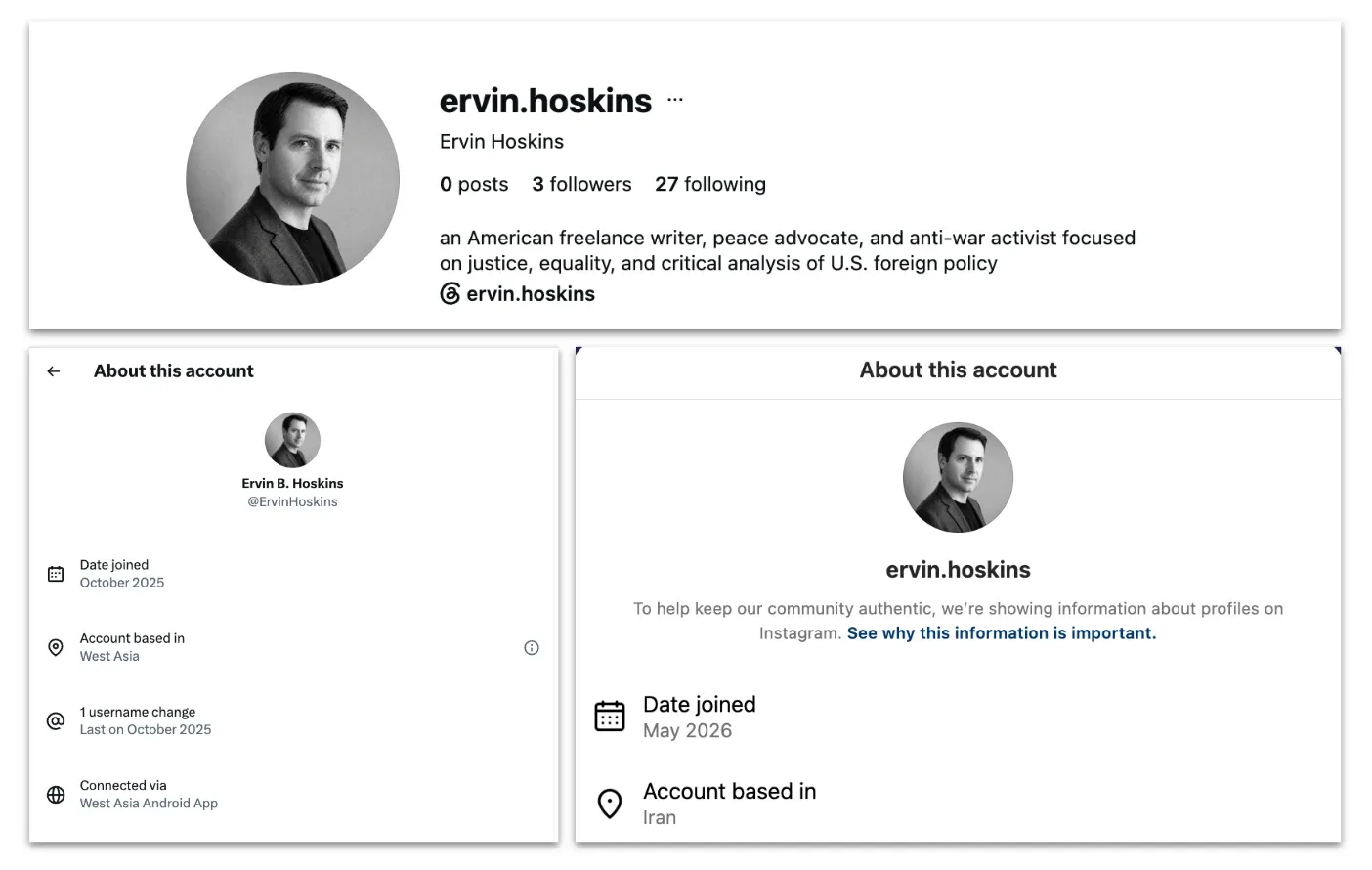
OpenAI’s investigative report documented around 100 articles appearing across more than 10 publications between July 2025 and October 2026. These figures were gathered from OpenAI’s own investigation and do not represent the full scope of the campaign. The publishing frequency increased substantially after US-Iran tensions flared, with several articles even shared and promoted by the publications’ official social media accounts.
While noting characteristics consistent with outsourced commercial influence-for-hire services, OpenAI stated that it has not been able to identify the specific entity behind the campaign and lacks sufficient evidence to directly attribute it to the Iranian government.
The difference between publication and the ability to persuade readers
The appearance of articles across multiple media outlets led OpenAI to place this op-ed submission branch in Category 4 of the Breakout Scale (a 6-level rating scale). This metric reflects reach and dissemination, rather than demonstrating harm or proving that readers’ opinions actually shifted.
Meanwhile, social media commenting activity was rated only at Category 2 due to low engagement, with likes occasionally originating from accounts within the same network. According to OpenAI, the operators’ internal reports used view counts from the original articles to measure commenting performance, thereby exaggerating the actual impact.
The core challenge lies not in ChatGPT’s text-generation capabilities, but in vetting processes and identity verification. An article that meets all editorial standards can still conceal the sender’s true identity and intent. This poses a dilemma for newsrooms: can author verification processes keep pace with the rise of fabricated profiles and pitch emails?