Anthropic has long been seen as one of the AI companies with the most transparent approach to ethics and safety. But a class-action lawsuit filed on September 8 raises the opposite question: Is the way this company sells its products to users truly as clear as it wants people to believe?
The lawsuit targets Claude Max, the highest-tier version of Claude currently available. This plan comes with two pricing tiers: $100/month for “5x” the usage limits of the Pro plan, and $200/month for “20x”. These figures appear directly in Anthropic’s promotional graphics, creating the impression that users will receive 5 or 20 times the capacity of the basic $20 plan.
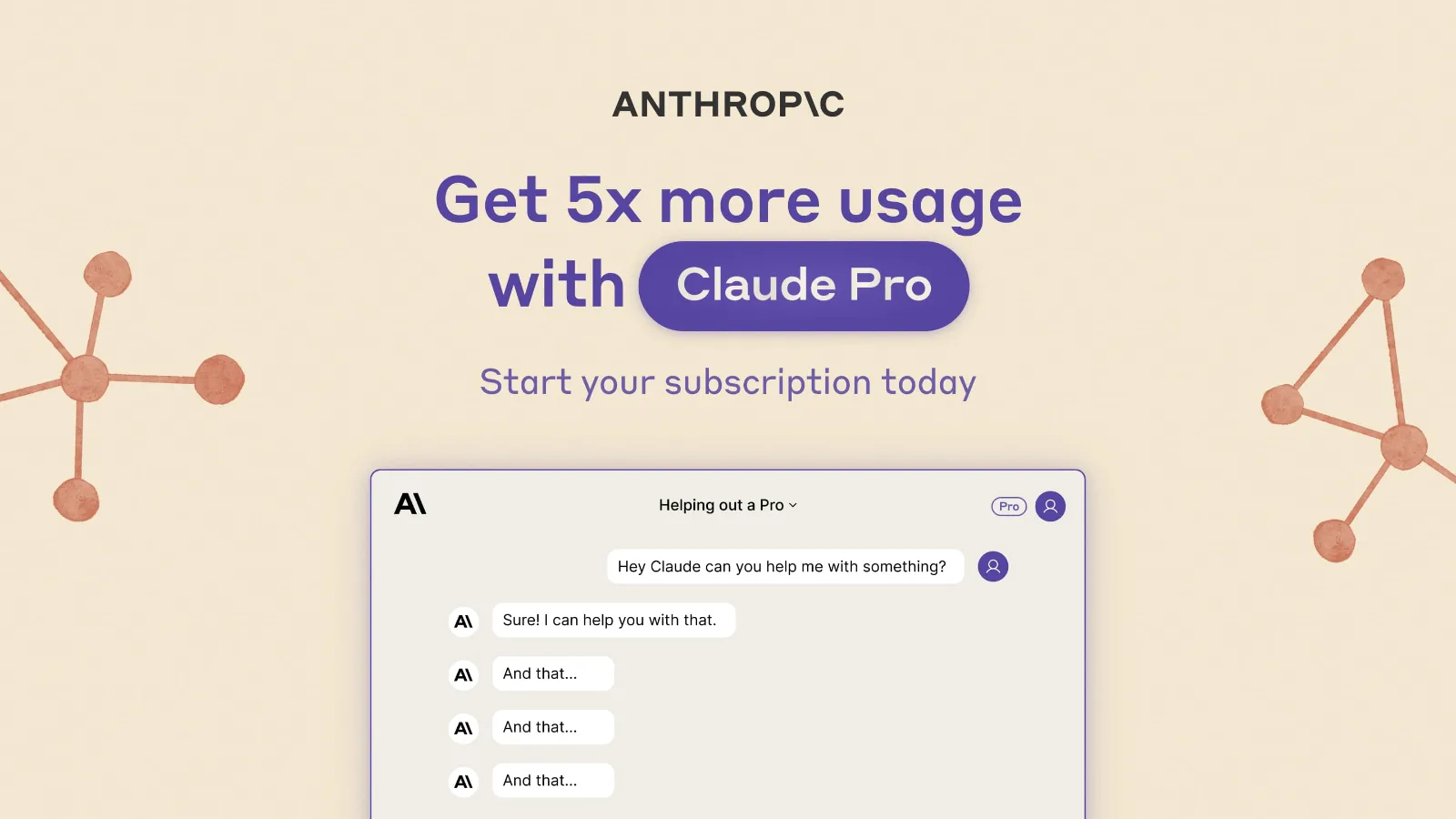
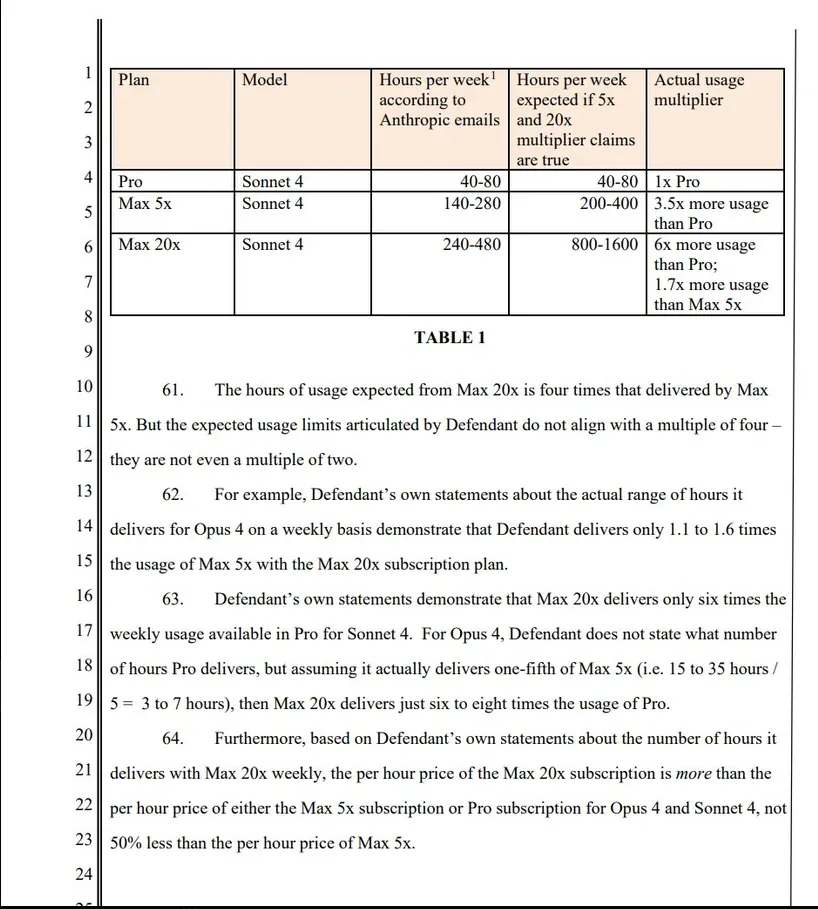
In reality, according to the lawsuit, “5x” and “20x” apply only to consecutive 5-hour windows and are constrained by a weekly usage cap. In other words, the 5-hour limit for the Claude Max 5x tier is 5 times that of the Pro plan, but the overall monthly limit is not. And given the token burn rate of the new Claude models, the actual credits users receive are significantly lower than what the marketing led them to expect.
The lawsuit was brought by attorneys Monica Vaca and Kati Daffan, both of whom previously worked at the U.S. Federal Trade Commission (FTC) under former Chair Lina Khan. The agency has repeatedly intervened against deceptive advertising practices in the tech industry.
On online forums, many Claude Max users have voiced complaints about the same issue: paying for a premium tier only to find the actual usage limits fall short of expectations. When you spend $200 a month on an AI tool, discovering that “20x” does not mean you can use it as freely as imagined is a frustrating experience.
This issue goes beyond a single lawsuit. The AI industry is in a period of hypergrowth, and companies like Anthropic and OpenAI are grappling with balancing massive compute costs against rising user expectations. Packaging usage limits in ambiguous technical language reflects how this pressure translates into an opaque user experience.
Anthropic is not the only company struggling with how to communicate product limits. But when a company builds its brand around transparency and ethics, the gap between marketing and reality becomes even harder to justify.
The lawsuit could set a legal precedent for how AI companies market their products. If the court finds that Anthropic’s advertising of “5x” and “20x” was misleading, other companies across the industry will have to reconsider how they communicate usage limits to customers.
For current Claude users, the takeaway is simple: read the terms carefully before upgrading. And if you are already on a Max plan, it may be worth checking how much capacity you actually receive compared to what you thought you paid for.