
In early 2026, employees at Meta collectively burned through more than 60 trillion tokens in just 30 days, competing for spots on an internal leaderboard dubbed “Claudeonomics.” According to tech analyst Gergely Orosz, this equated to an invoice of nearly $900 million at Anthropic’s public list prices. Around the same time, ride-hailing giant Uber exhausted its entire 2026 AI tool budget in just four months of operation.
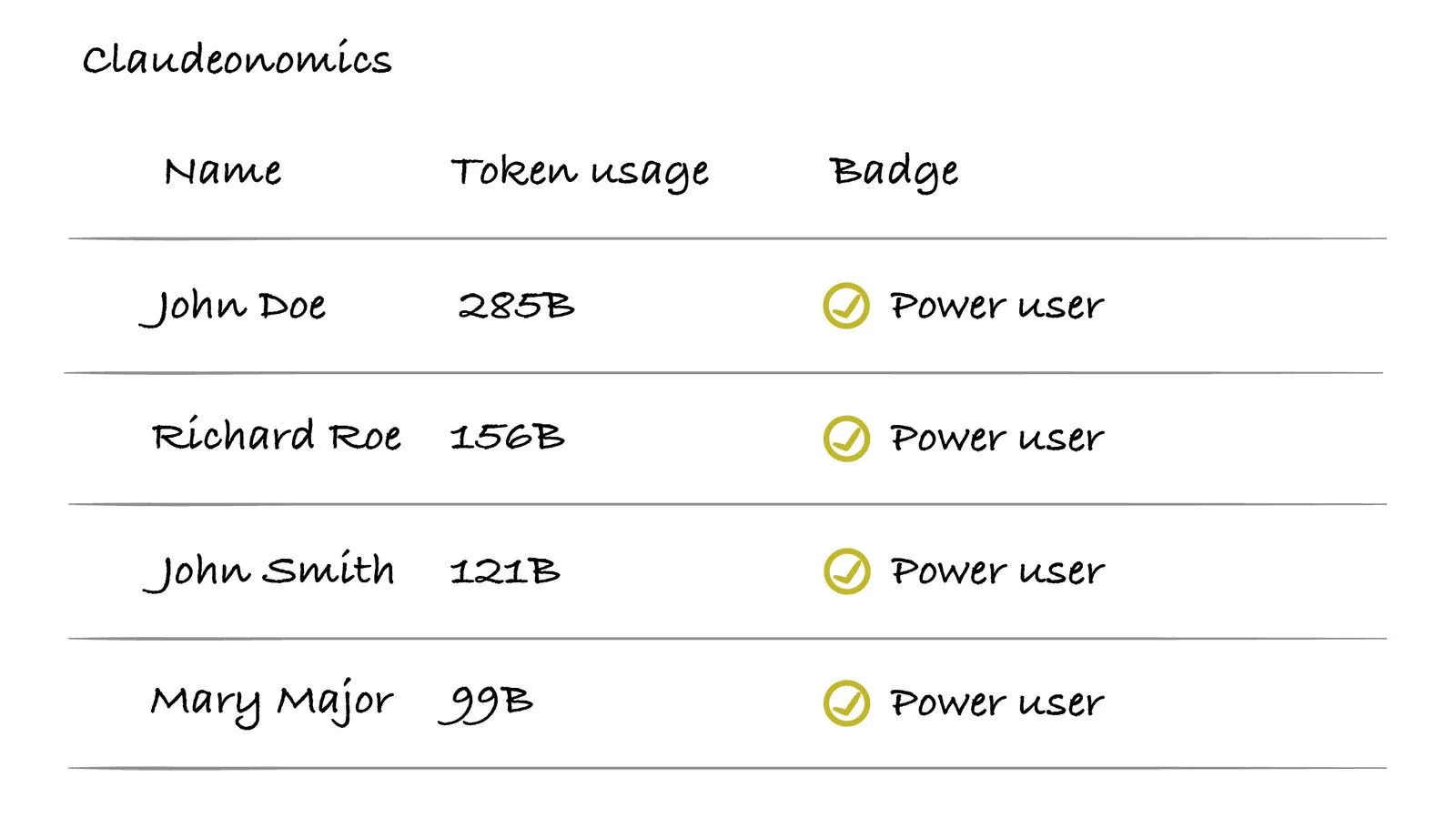
This phenomenon stems from a trend known as “tokenmaxxing.” When Nvidia CEO Jensen Huang declared on the All-In Podcast that he would be deeply worried if an engineer earning a $500,000 salary did not burn through at least $250,000 in tokens annually, major tech enterprises quickly turned token consumption into a core performance metric. As a result, millions of dollars were thrown out the window on superfluous tasks, such as employing flagship models merely to draft routine emails or check basic grammar.
Today, the concept of tokenmaxxing is being reshaped into its genuinely pragmatic definition: maximizing the value delivered per token used, rather than racing to burn resources pointlessly.
Understanding Agent Loops and the Explosion of AI Agent Costs
Every word sent to or received from models such as Claude or ChatGPT is metered in tokens, with one token roughly equaling three-quarters of an English word. The pricing gap between current model tiers is staggering: leading reasoning models carry input prices up to 100 times higher than streamlined models within the same product lineup.
This cost multiplies exponentially when users move from standard conversational interfaces to autonomous AI agents. Once assigned a task, an agent operates in a continuous loop: thinking, invoking tools for web browsing or code execution, reading returned results, and deciding the next step. With each iteration of the loop, the entire prior conversation history is re-sent to the model.
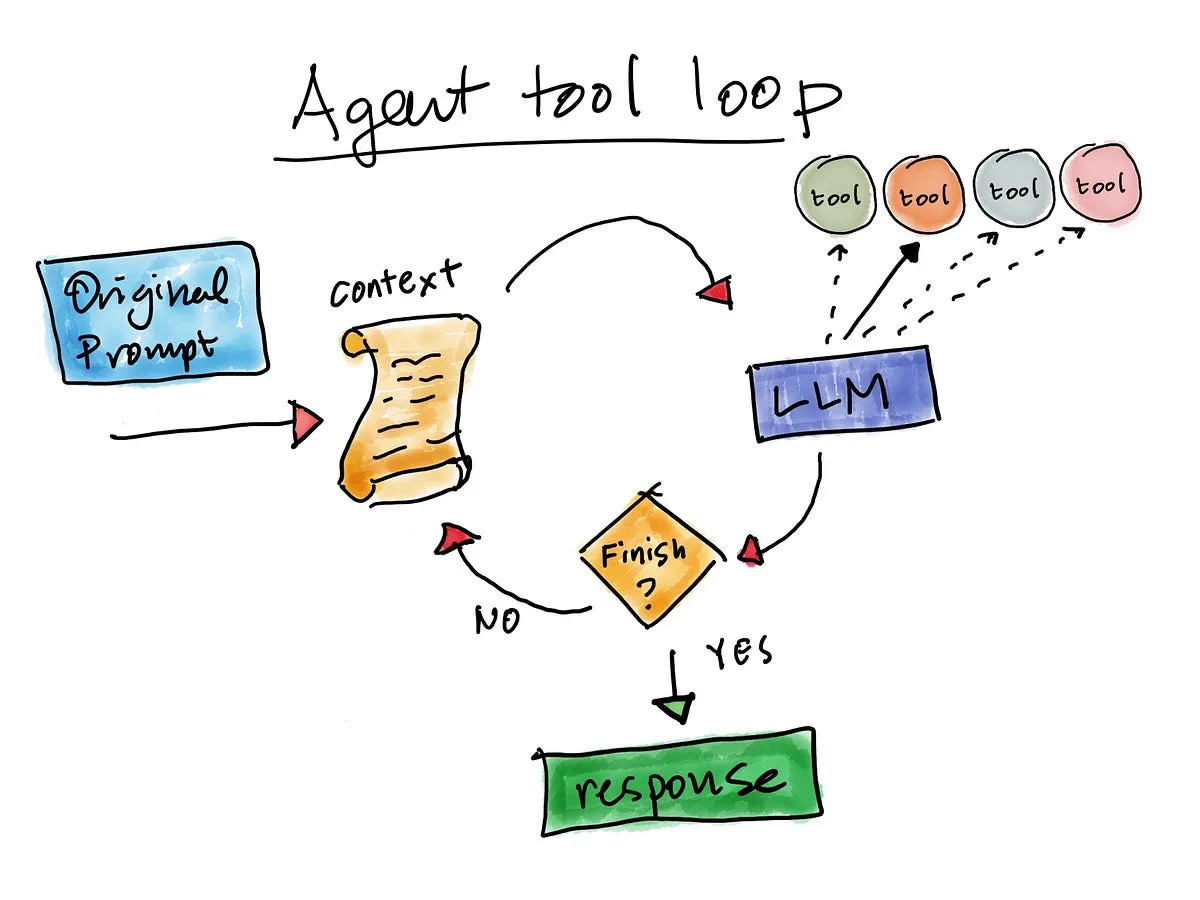
When multi-agent orchestration architectures are added—where a managerial model distributes tasks across multiple subagents running in parallel—token consumption can skyrocket up to seven times compared to a standalone session.
Cost Reduction Strategies at Every Level
Instilling token discipline does not require overly complex technical interventions; it can begin with fundamental habits.
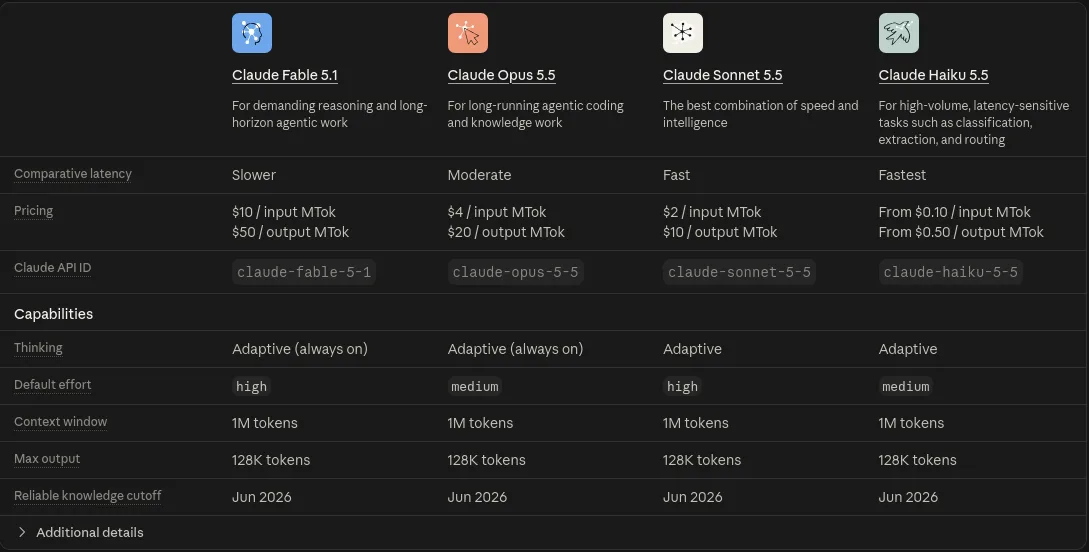
At the general user level, the core principle is choosing the right tool for each task. Relying on top-tier models like Claude Opus, GPT Astra, or other Pro variants to summarize text or rewrite short paragraphs is akin to hiring a mathematics professor just to count change at a checkout counter.
Users should set mid-tier models (Claude Sonnet, GPT Sol, etc.) as their default and upgrade only when tackling complex problems requiring multi-step logical reasoning. In addition, crafting clear prompts that specify the desired output structure and proactively starting fresh sessions when switching topics will eliminate “context rot,” where the model must repeatedly read through irrelevant past dialogue.
For development teams and engineers using command-line coding agents like Claude Code, Codex, and similar tools, the “start cheap, escalate on error” strategy delivers clear cost efficiencies. Let lightweight models handle tasks first, automatically triggering larger models only if an execution step fails after two attempts.
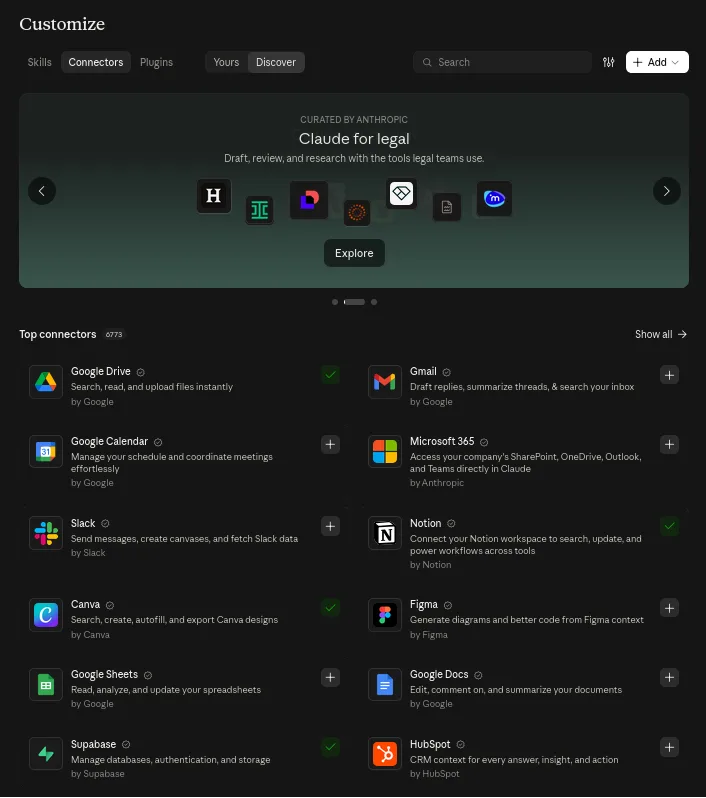
In particular, pruning the list of extended tools (MCP servers) yields significant memory savings. An experiment by Anthropic demonstrated that an agent’s token consumption dropped from 150,000 tokens to just 2,000 tokens when loading only essential tool definitions rather than keeping every plugin active. Additionally, keeping project convention files like CLAUDE.md under 200 lines helps rein in context data read at the start of each session.
At the system architecture level, two techniques delivering the most substantial savings are prompt caching and batch processing. By placing static instruction blocks at the beginning of the context and enabling caching flags, subsequent calls cost only a fraction of full re-ingestion. Concurrently, tasks that do not demand real-time responses can be batched and submitted via batch processing interfaces, instantly slashing invoice costs by 50%. Engineers should also establish hard budget caps per session to prevent agents from falling into infinite loops.
The Jevons Paradox in the Era of Artificial Intelligence
According to Silicon Data’s token spending index, the average price of a token has dropped by more than 90% since 2023. Paradoxically, however, total enterprise budgets paid to model providers doubled over the same period.
Economists refer to this as the Jevons paradox: when a resource becomes cheaper and more accessible, real-world demand surges to such an extent that total consumption ultimately spikes. A report by Bain & Company in June 2026 documented a similar reality, where token costs fell by half but the volume of tokens consumed climbed by 450%.
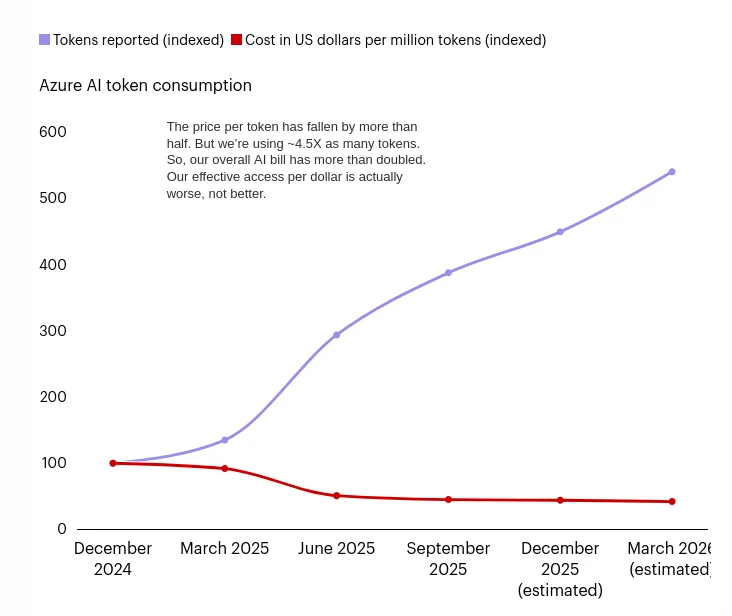
Falling inference costs open up vast opportunities for automation, yet simultaneously foster the illusion that compute is infinite. Individuals and organizations mastering token governance will be the ones creating the greatest value: harnessing the expanding capabilities of frontier models without being swept into the wasteful spending spiral encouraged by industry hype.